
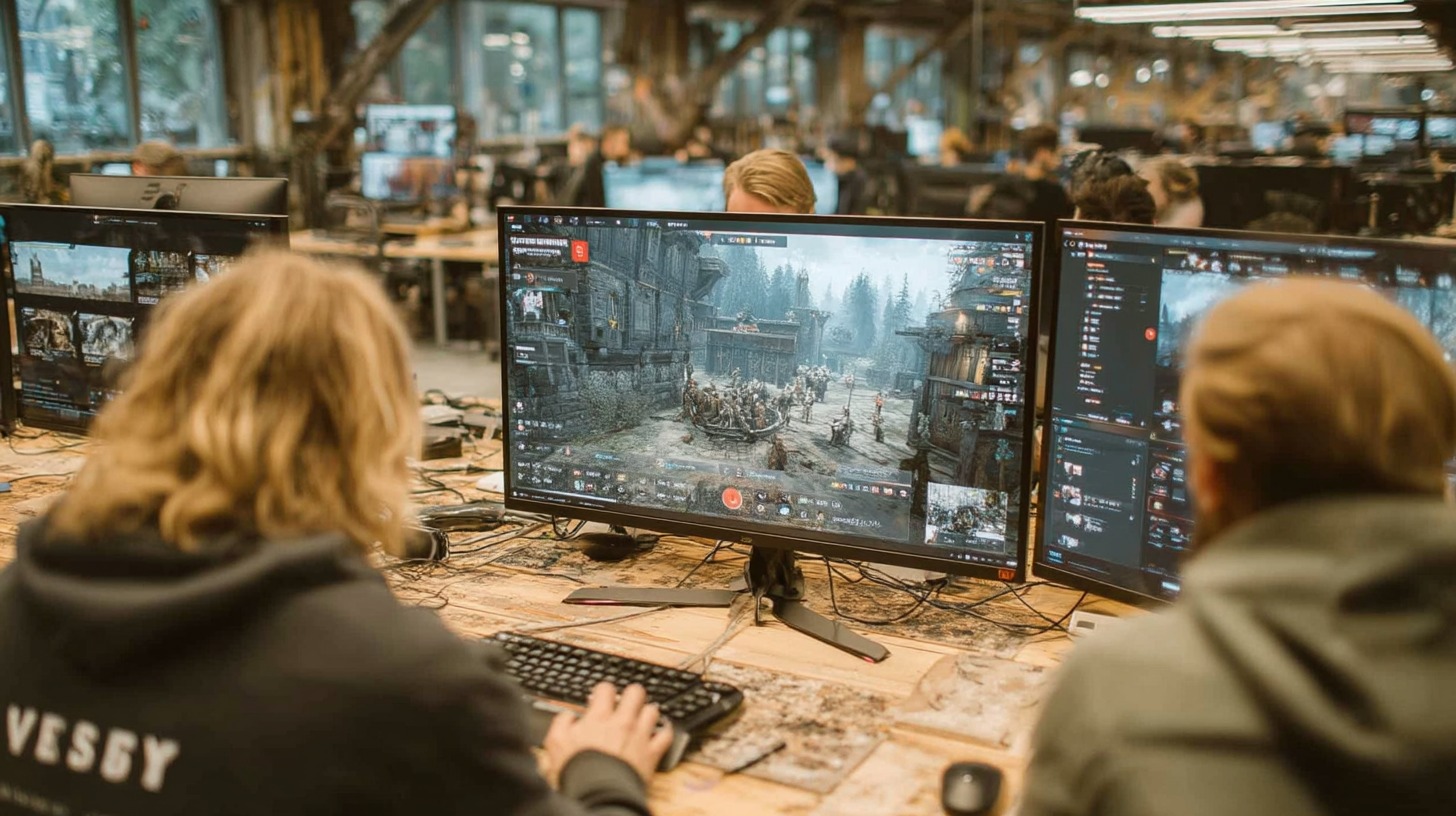
Video game design is a fun and exciting career path, offering creative opportunities to develop new games. Beyond the core development, many users love to create tweaks, mods, and even cheats, like the popular Tarkov cheats, to customize their gaming experience.
Strong leadership is crucial for guiding a design team to success through all aspects of development. If you lead a video game design team, it’s helpful to evaluate your management techniques to ensure you’re providing the best possible support. In this article, we’ll explore steps for leading these teams effectively and review some essential management tips.
What is a game design team?
A game design team is a group of tech and design professionals who create new video games. These teams often include game designers, character riggers, and video game artists. Using methods like 3D modeling, digital painting, and software programming, they make games visually appealing and interactive. Game design teams work on various aspects, including:
- User interface.
- Game narration.
- Graphics for transitions and loading screens.
- Character and object movement.
How to manage a game design team
Here are some steps you can use to manage a game design team effectively:
1. Understand the project thoroughly
Video game design involves many elements, so it’s crucial for a manager to have a thorough understanding of the project’s goals. This helps you identify development areas that might need extra attention and delegate tasks more easily. To build a clear understanding, research the game’s background, its creators, and the inspiration behind it.
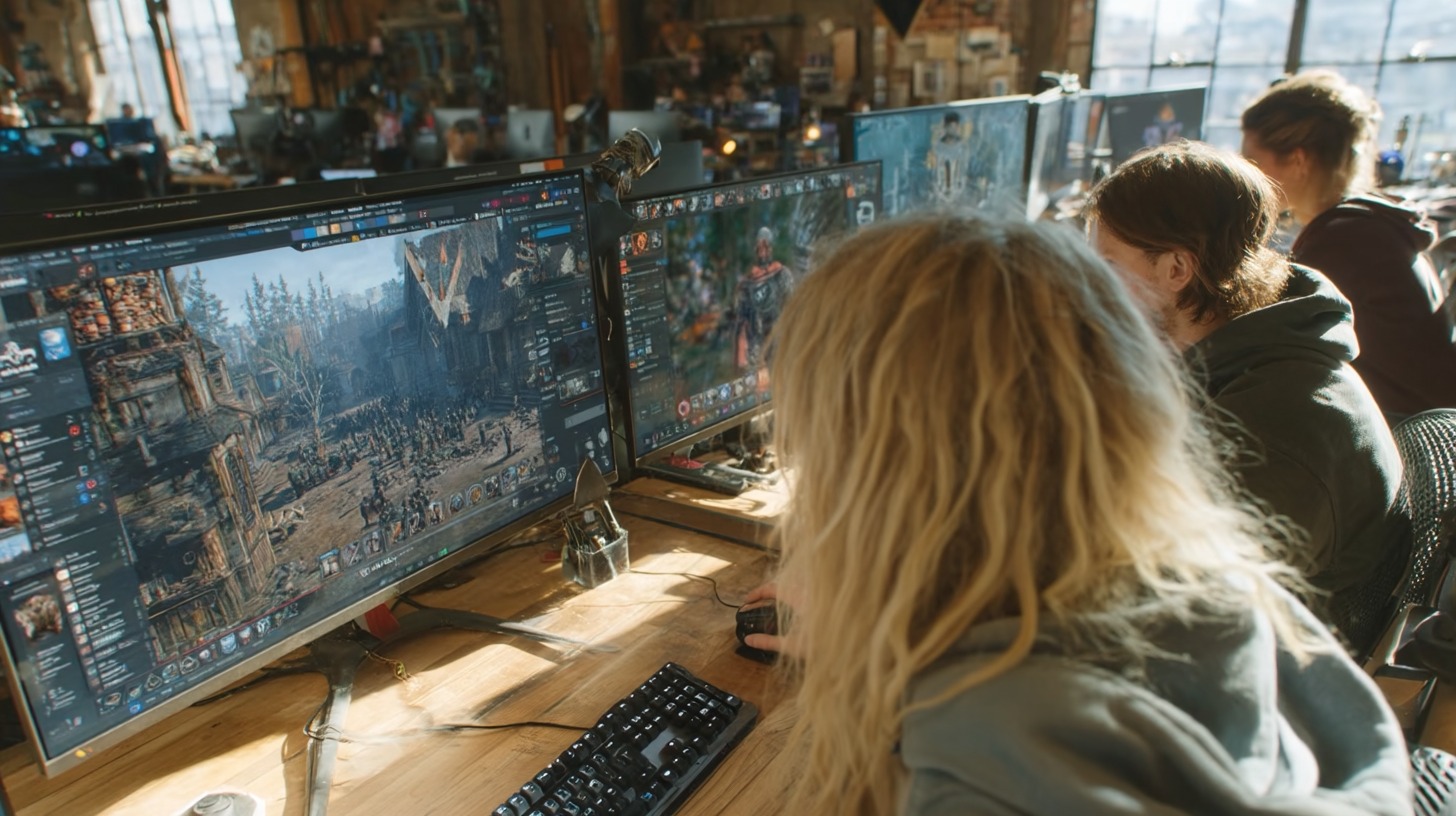
You should also analyze market demands for related areas, such as whether there’s a call for specific enhancements, mods, or even cheats that many users are searching for, like Tarkov Arena cheats. This research will help you grasp the game’s tone and story, allowing you to build a solid plan for its visual design.
2. Communicate expectations clearly
Maintaining clear communication is another key part of managing a design team. This ensures everyone has the same information and understands their roles. Inform each team member about the project’s end goal, their specific duties, and available resources. You can communicate expectations by holding a kickoff meeting at the start of a project. It’s also helpful to provide each team member’s instructions in writing so they can review them later.
3. Check in with your designers
While a project is underway, check in frequently with your designers. This gives you a chance to review their work and monitor their progress. By doing so regularly, you can identify errors or tasks that may require a different method or tool. This enhances your team’s overall productivity by keeping you informed and allowing you to respond to unforeseen situations quickly. You can check in by visiting their workstations or sending an email to ask about their progress.
4. Give honest, constructive feedback
Regular check-ins also create opportunities to offer feedback. This helps a team succeed by showing them how to complete tasks more effectively and recognizing their high-quality work. This makes it easier for the team to adjust their efforts and use the most effective design processes. You can give feedback directly in person or by sending an email with suggestions for improvement and praise for good work.
5. Be open to trial and error
Designing video games involves complex technology, so some aspects of a project might not work as expected. For example, a character’s movement sequence might appear less smooth than intended when rendered in the game. Because of this, it’s helpful to accept that some elements will require trial and error. Being open to this process prepares you to respond to unforeseen challenges and helps your team remain confident in your leadership.